
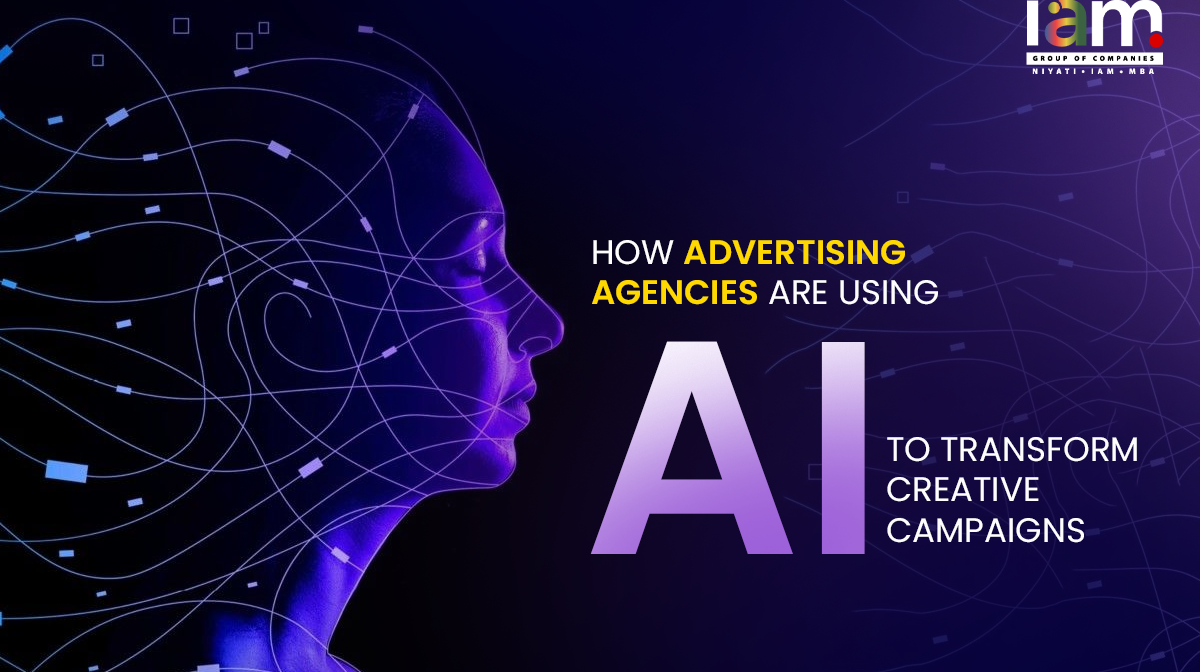
Advertising has always been a mix of creativity and strategy. For years, agencies relied heavily on human intuition brainstorming ideas, understanding audiences, and crafting campaigns that could capture attention. But in 2026, that process is being reshaped in a big way. Artificial Intelligence is no longer just a support tool; it has become a core part of how creative campaigns are imagined, executed, and optimized.
What’s interesting is that AI isn’t replacing creativity it’s enhancing it. Agencies are now able to move faster, test more ideas, and create highly personalized campaigns without losing the human touch that makes advertising impactful.
One of the biggest changes AI has brought is in the way ideas are developed. Earlier, brainstorming sessions could take days, with teams working through multiple concepts before arriving at something worth executing. Now, AI tools can generate multiple creative directions in minutes. From ad copies and taglines to visual concepts and scripts, teams can quickly explore different possibilities and then refine the best ones. This doesn’t eliminate human input instead, it gives creative teams a stronger starting point.
Another major shift is in personalization. Today’s audiences expect content that feels relevant to them, not generic messaging. AI helps agencies analyze user behavior, preferences, and engagement patterns to create highly targeted campaigns. Instead of one campaign for everyone, brands can now run multiple variations tailored to different audience segments. This makes communication more effective and improves overall campaign performance.
AI is also transforming how visuals are created. Design and production, which once required long timelines and multiple revisions, are now faster and more flexible. Agencies can generate creatives, test variations, and adapt designs in real time based on what’s working. This is especially useful for digital campaigns, where speed and adaptability are critical.
But the real power of AI lies in optimization. Earlier, once a campaign was launched, changes were limited and often delayed. Now, AI continuously monitors performance tracking metrics like engagement, click-through rates, and conversions and helps agencies make instant adjustments. Campaigns are no longer static; they evolve in real time, becoming more effective as they run.
Another area where AI is making a difference is audience insights. Instead of relying only on past data or assumptions, agencies can now gain a deeper understanding of what audiences actually want. AI can identify patterns, predict trends, and even suggest what kind of messaging is likely to work best. This allows brands to stay ahead rather than react late.
Despite all these advancements, the role of human creativity remains central. AI can suggest, generate, and optimize, but it cannot fully understand emotions, cultural nuances, or the deeper storytelling that connects with people. The best campaigns today are created when human creativity and AI capabilities work together.
Agencies that are succeeding in this space are the ones that have learned how to balance both. They use AI to handle scale, speed, and data, while relying on human insight to bring originality and meaning into campaigns. This combination not only improves efficiency but also raises the overall quality of work.
At the same time, AI is also helping smaller agencies compete with larger ones. With access to advanced tools, even lean teams can create high-quality campaigns, analyze performance, and deliver strong results. This is making the advertising landscape more competitive and dynamic.
Of course, there are challenges too. Over-reliance on AI can sometimes lead to content that feels repetitive or lacks authenticity. That’s why it’s important for agencies to use AI as an enabler, not a replacement. The goal should always be to create campaigns that feel real, relatable, and meaningful.
Looking ahead, AI will continue to evolve, and its role in advertising will only grow stronger. But one thing is clear creativity is not going away. It’s simply being redefined.
In 2026, the agencies that stand out are not the ones using AI the most, but the ones using it the smartest. They understand that while AI can generate ideas, it’s the human touch that makes those ideas truly resonate.
And in the end, that’s what great advertising has always been about connecting with people in a way that feels genuine, memorable, and impactful.